Table Of Content

Anyone who shaves, tweezes or waxes their hair can develop ingrown hairs. If you shave often, you’re more likely to have ingrown hairs. So if you were wondering how to get rid of an ingrown hair naturally with zero effort — simply wait. As long as there is no infection and you’re sure it’s an ingrown hair, there is nothing to worry about.

Use shaving cream or gel
Use the same, mild soap to clean the skin around where the ingrown hair was. Apply a warm, soapy washcloth as well to prevent any swelling or irritation of the skin. When the entirety of the ingrown hair appears on the surface of the skin after gently encouraging the hair to come out, use the tweezers to grab the hair at its base.
Find more top doctors on
Man's ingrown hair left him 'brain dead' with 4% chance of survival - Metro.co.uk
Man's ingrown hair left him 'brain dead' with 4% chance of survival.
Posted: Thu, 21 Mar 2024 07:00:00 GMT [source]
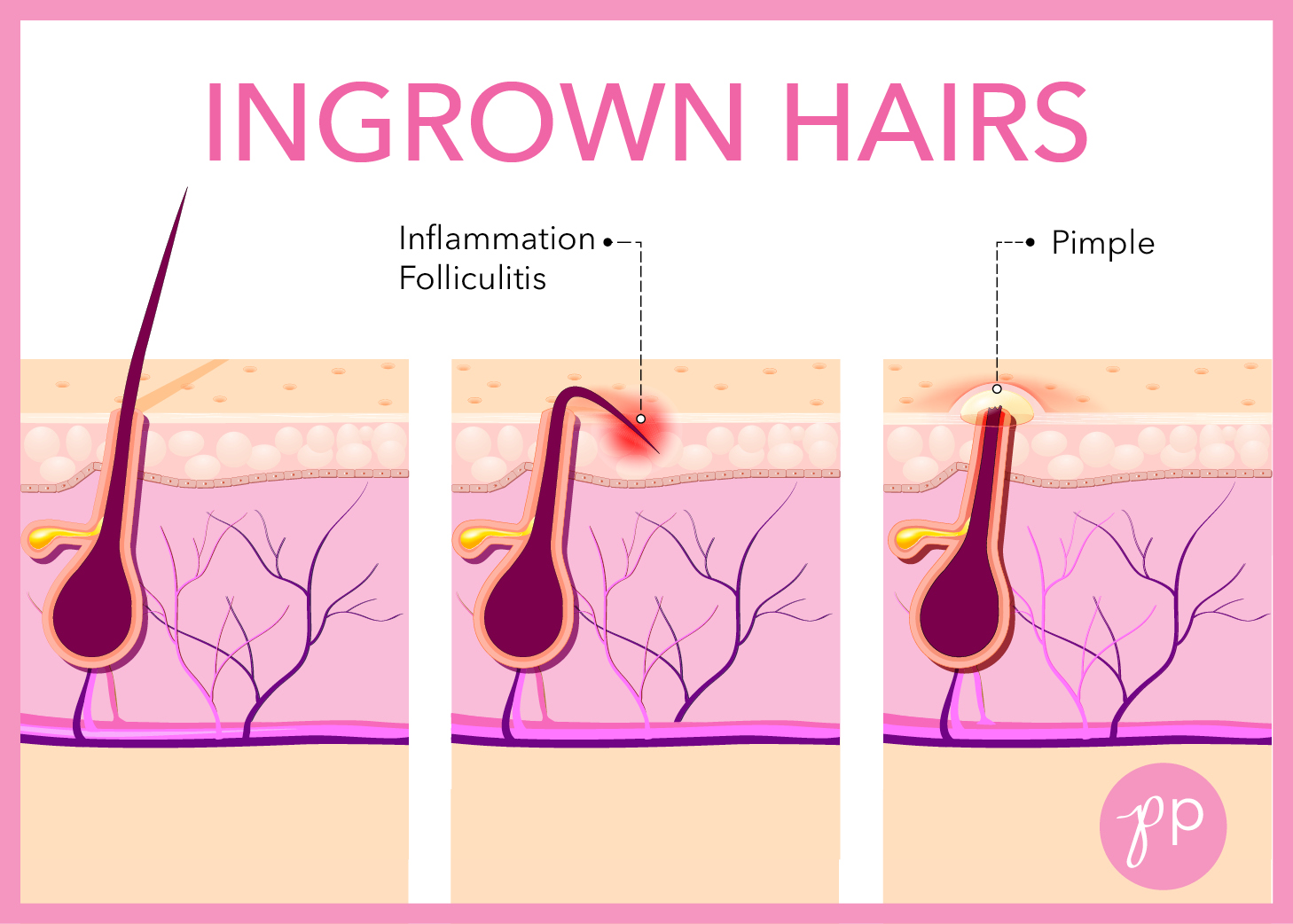
Chemicals and fragrances in shaving creams can irritate and inflame the skin, leading to skin issues, such as ingrown hairs. An ingrown hair is one that's grown back into your skin instead of rising up from it. Ingrown hairs are also known as razor bumps, shave bumps, ingrown hair bumps, or barber bumps. Additionally, you may be able to avoid ingrown hairs or decrease the likelihood that they will develop by removing your hair properly.
Where do you get ingrown hairs?
Furthermore, the boil-like pimples can become really sore and potentially can even become infected (a condition called folliculitis),' Dr Liakas notes. You can’t always prevent ingrown hairs, but you can take steps to lower the chances of them developing. Exfoliation should be approached carefully, as it causes inflammation, which leads to hyperpigmentation and may not be very helpful in resolving ingrown hairs. Dermatologist Sherrie Bullard, MD, shares safe ways to get rid of ingrown hairs and how to prevent them from happening. Redness may be harder to see on black or brown skin, but they may look a different colour to the surrounding skin. Ingrown hairs on the legs can signal that a person is using the wrong type of razor.
Either way, if you go picking, popping, or digging, you could cause an infection, scarring, or further irritation,” Dr. Clay points out. Ingrown hairs frequently go away on their own without any specific treatment. There’s a chance an ingrown hair could heal on its own in as quickly as a week or two, Dr. Hayag says, but it may take longer if it gets infected. Sometimes it takes around a month, according to the Mayo Clinic, but it can take up to six months for hairs that are really stuck in there.
9 Best Keratosis Pilaris Products, According to Amazon Reviews - ELLE
9 Best Keratosis Pilaris Products, According to Amazon Reviews.
Posted: Wed, 11 Oct 2023 07:00:00 GMT [source]
Research demonstrates tea tree oil’s “broad-spectrum antimicrobial activity against bacterial, viral, fungal and protozoal infections affecting skin.” It can also speed up wound healing. To reduce the inflammation of an ingrown hair, you can apply ice or a cold compress. This is also helpful for any pain or itching you may be experiencing as a result of this confused hair follicle. There are some OTC creams and treatments available for people who regularly get ingrown hairs.
How to identify infected ingrown hair
They’ll squeeze out any pus and use sterile tweezers to remove the ingrown hair. If an ingrown hair becomes infected, you may notice the bumps getting bigger and more painful. The beard area of your face (neck, cheeks and chin), legs, armpits and pubic area (bikini line and inner thigh) are most likely to develop ingrown hairs.
How to get rid of ingrown hairs: 8 tips, from a professional
If it’s not possible to refrain from shaving and other forms of hair removal, then laser treatment is another conventional option for how to get rid of ingrown hair. Laser hair removal removes hair a deeper level through exposure to pulses of laser light that destroy the hair follicle and prevent regrowth. Risks of laser hair removal include skin irritation, skin pigment changes, crusting, blistering, scarring or other changes to skin texture.
If you’re in a pinch, you can apply some 1% hydrocortisone right after the wax or close shave, and then one more time the next day, which may take some of the redness out. “You should not use this more than two or three applications at most,” she says, as hydrocortisone can thin the skin and cause stretch marks. Not all ingrown hairs become infected, and they usually resolve on their own in a few days.
In addition to Women's Health, her work has also appeared in Allure, StyleCaster, L'Officiel USA, V Magazine, VMAN, and more. As a general rule, no, it's best to leave them well alone as plucking can lead to infection. If you notice one or more of these symptoms, see a physician or health professional for help as soon as possible. If the hair is already visible and sticking out of your skin, you can attempt to tweeze the hair out.
And because the hair doesn’t grow back after treatment, you won’t have to worry about ingrown hairs. It’s usually an inflamed red bump or a cluster of bumps that look similar to small pimples. Sometimes, you can visibly see the hair growing in the wrong direction, but not always. An ingrown hair can also turn into a more painful, pus-filled sore. Ingrown hairs typically aren’t anything serious, but they can be quite irritating and visually unpleasant.